
The following “bagpipe melodies” have a drone note in the bass played with the melody. In species counterpoint, this is called “oblique motion”, where one voice repeats the same note from one measure to the next while the other voice moves around.
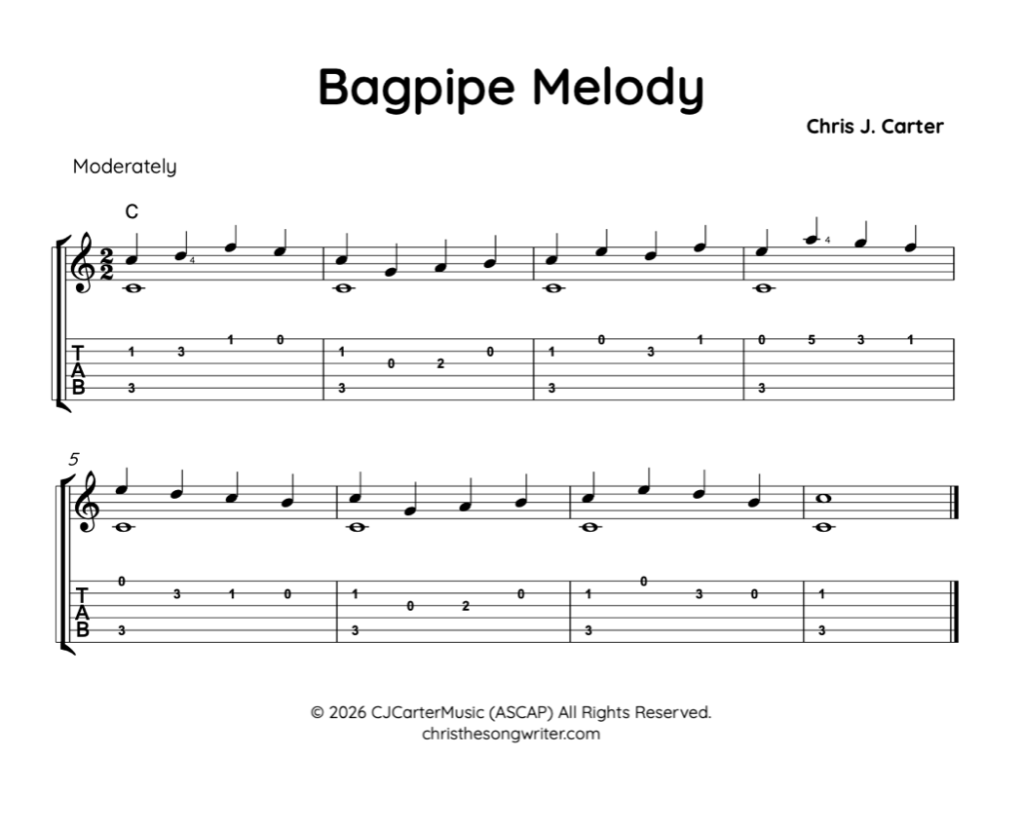
Dissonances used: Cambiata (measure 1), passing tone (measure 2), double passing tone (measure 3), passing tone (measure 4), passing tone & lower neighbor tone (measure 5), passing tone (measure 6), cambiata (measure 7-8).
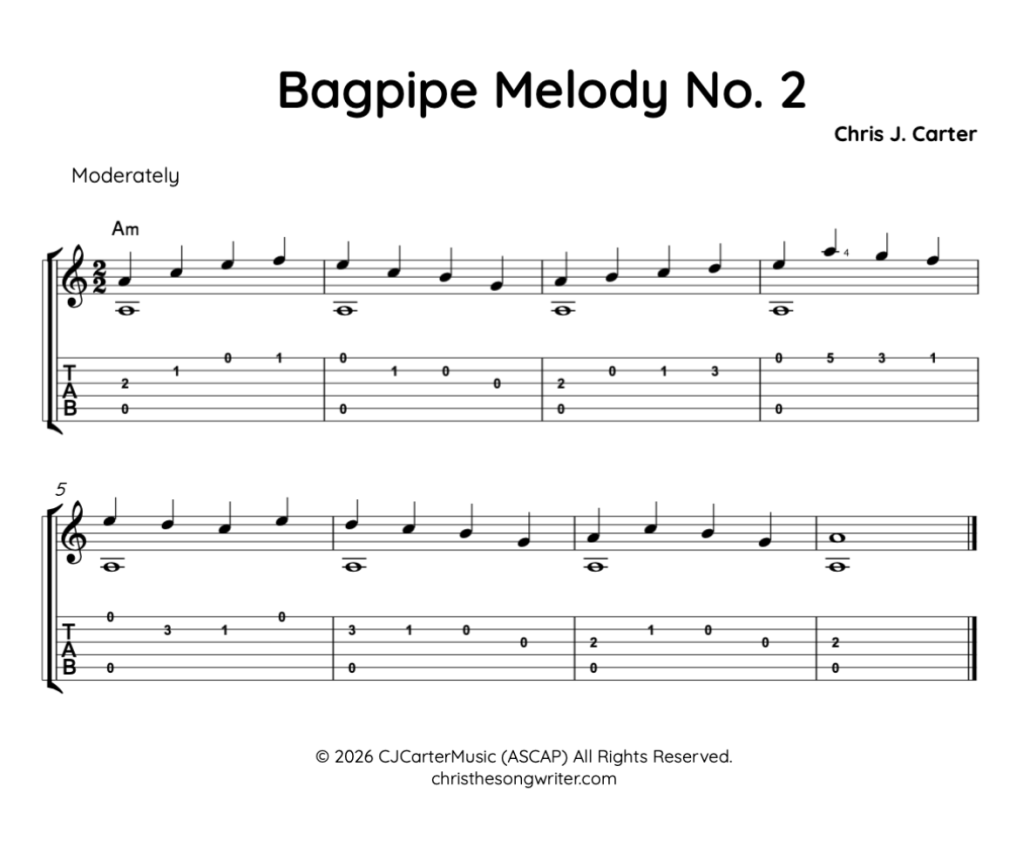
Dissonances used: Upper neighbor tone (measure 1), cambiata (measure 2-3), passing tones (measure 3), accented passing tone (measure 4), passing tone (measure 5), suspension (measure 6), cambiata (measure 6-7), cambiata (measure 7-8).
I wrote Marigold, Viola and Zinnia using third species counterpoint; two independent melodies, four notes in one voice against one in the other. (When you have two or more independent melodies, it’s called “polyphony.” Notice the bagpipe melodies are also four notes against one, but because there’s only one melody being played, they’re not polyphonic.)
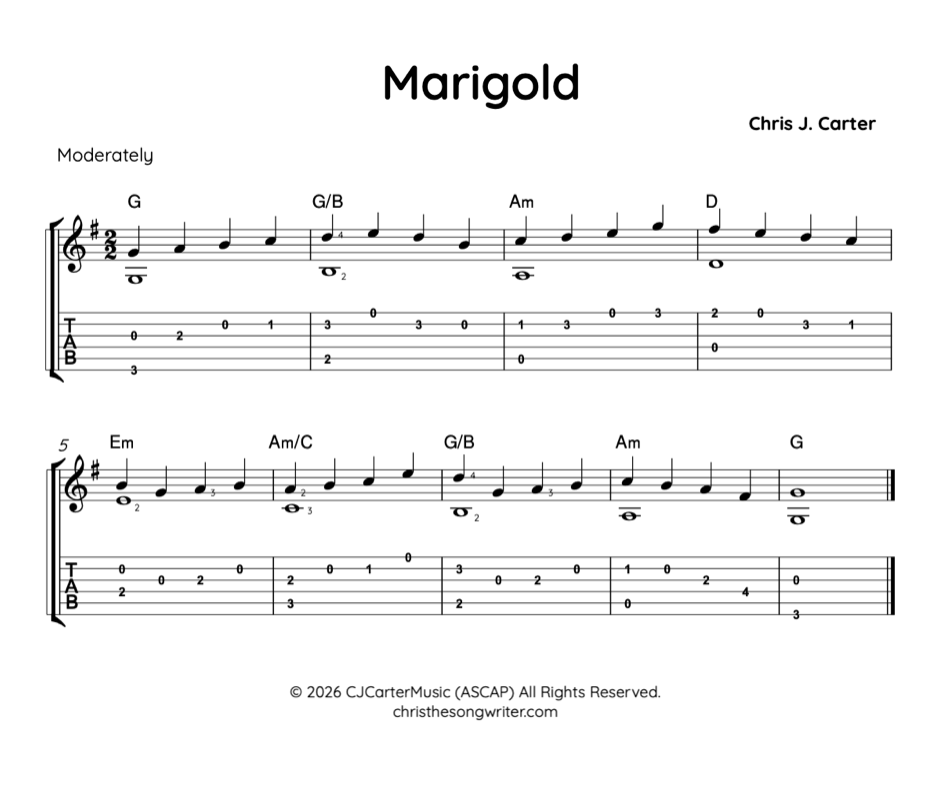
Dissonances used: Passing tones (measure 1), upper neighbor tone (measure 2), passing tone & appoggiatura (measure 3), passing tones (measure 4), accented passing tone (measure 5), passing tone (measure 6), accented passing tone (measure 7), passing tone (measure 8).
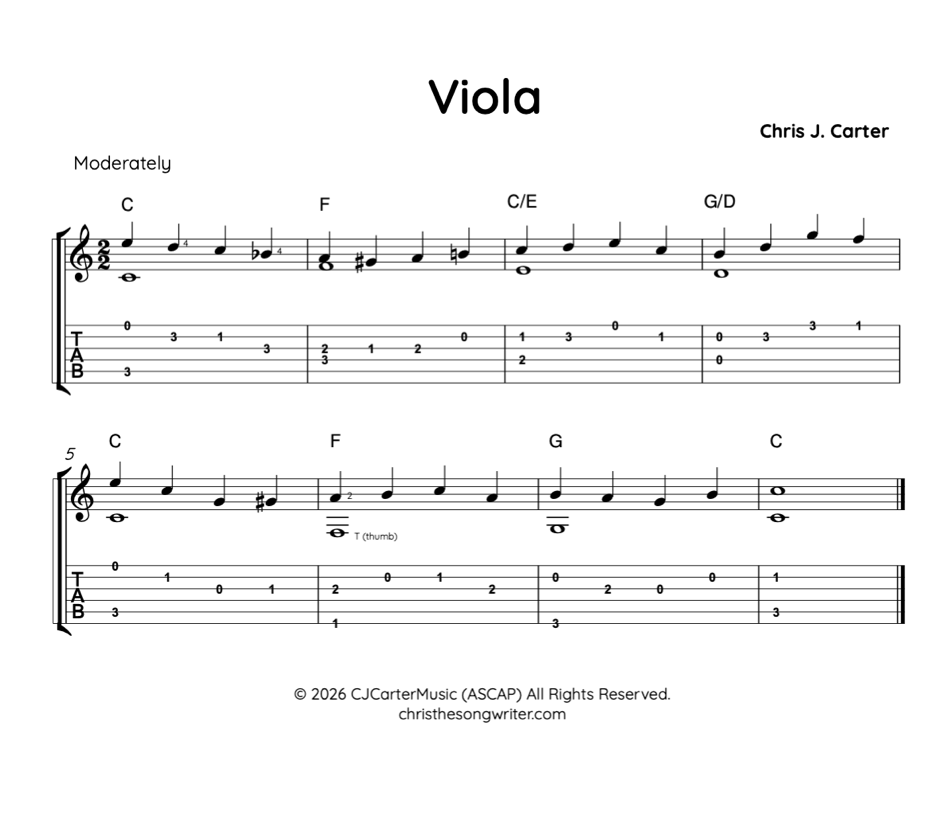
Dissonances used: Passing tone and accidental passing tone (measure 1), accidental lower neighbor tone and passing tone (measure 2), passing tone (measure 3), accidental passing tone (measure 5), passing tone (measure 6), passing tone (measure 7).
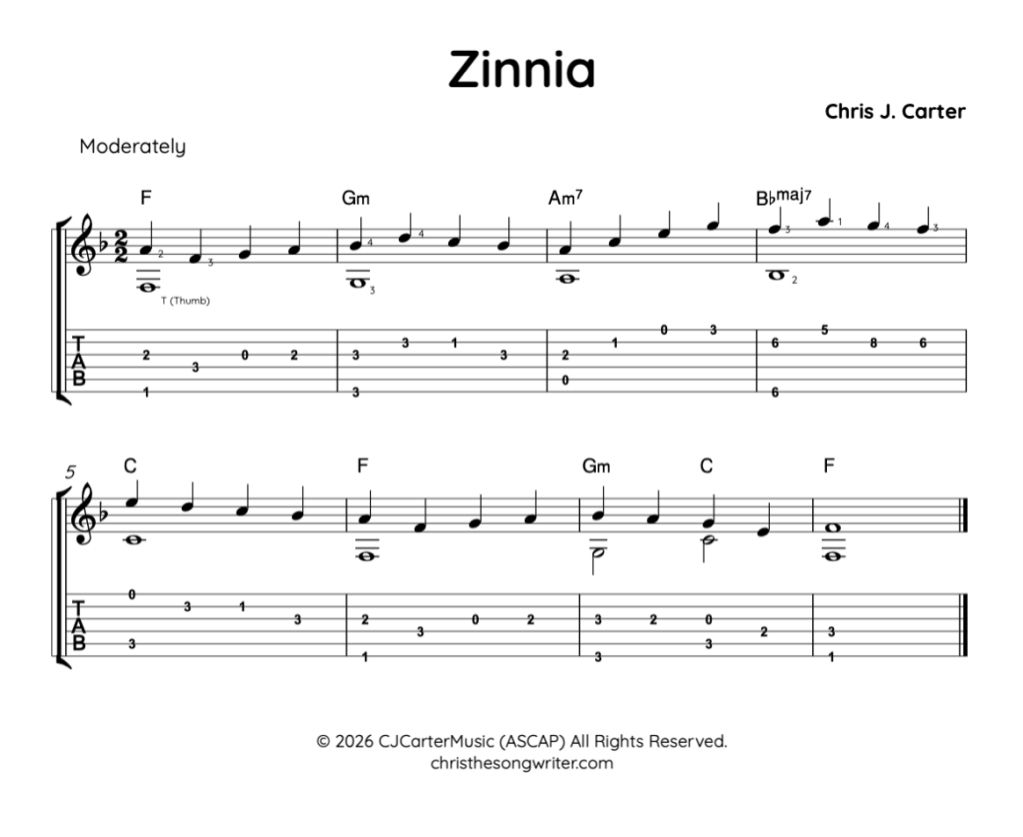
Dissonances used: Passing tone (measure 1), accented passing tone (measure 2), appoggiatura (measure 3), appoggiatura (measure 4), two passing tones (measure 5), accented passing tone (measure 6), passing tone (measure 7).
All of the pieces so far have only had quarter notes in the melody. Time to add some rhythmic variation! I used fifth species counterpoint to write the following piece “Fireworks.”
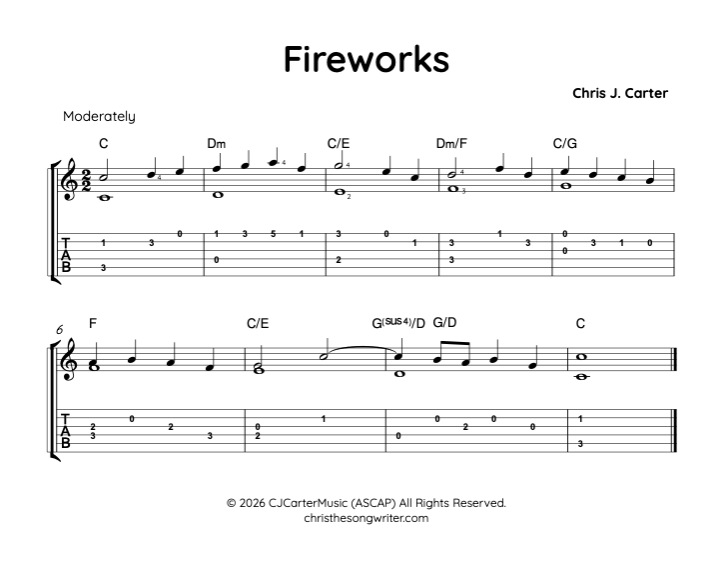
Dissonances used: Accented passing tone (measure 1), passing tone (measure 2), a fourth chord tone interval (measure 5), upper neighbor tone (measure 6), suspension and embellishment with eighth notes (measure 8).
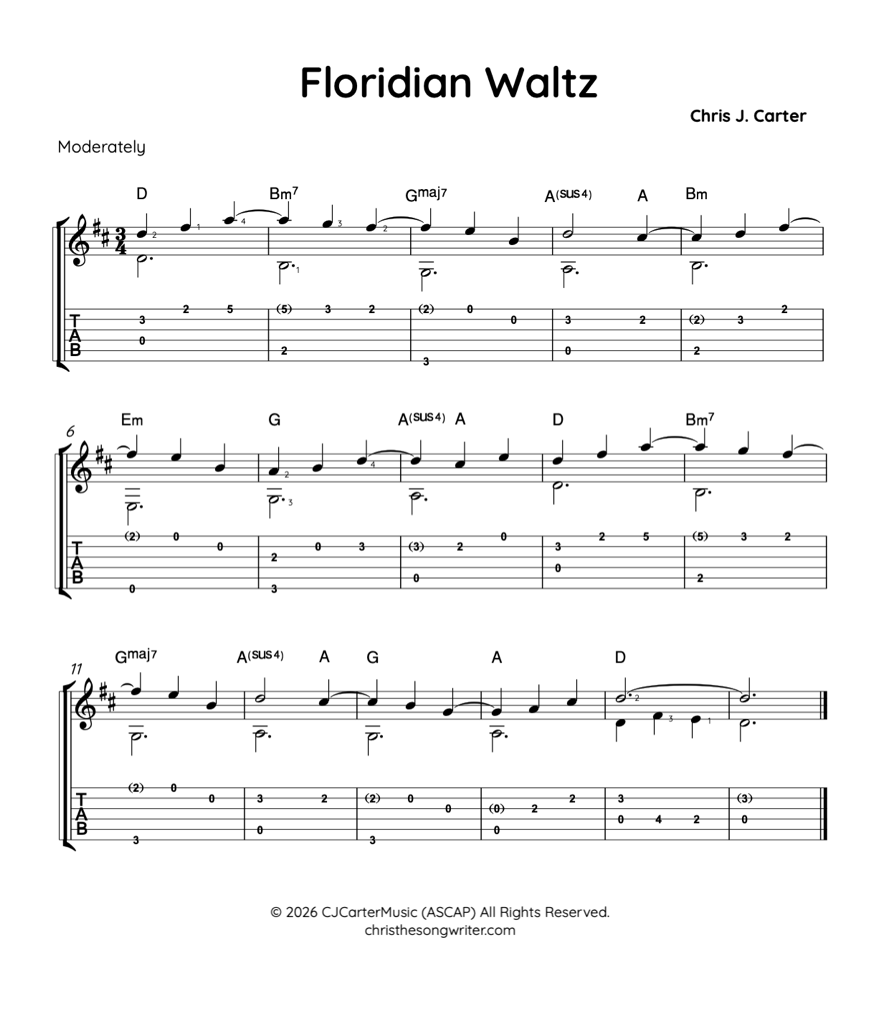
In the next piece, “Floridian Waltz”, the second note in the tie is either a suspension (a chord tone carried into the next measure creating a dissonant note then resolving down) or a retardation (a chord tone carried into the next measure creating a dissonant note and resolving up).
The following composition “Daffodil” has an anticipation in the fourth measure on the fourth beat. An anticipation is a dissonant note that becomes a consonant note on the next beat.
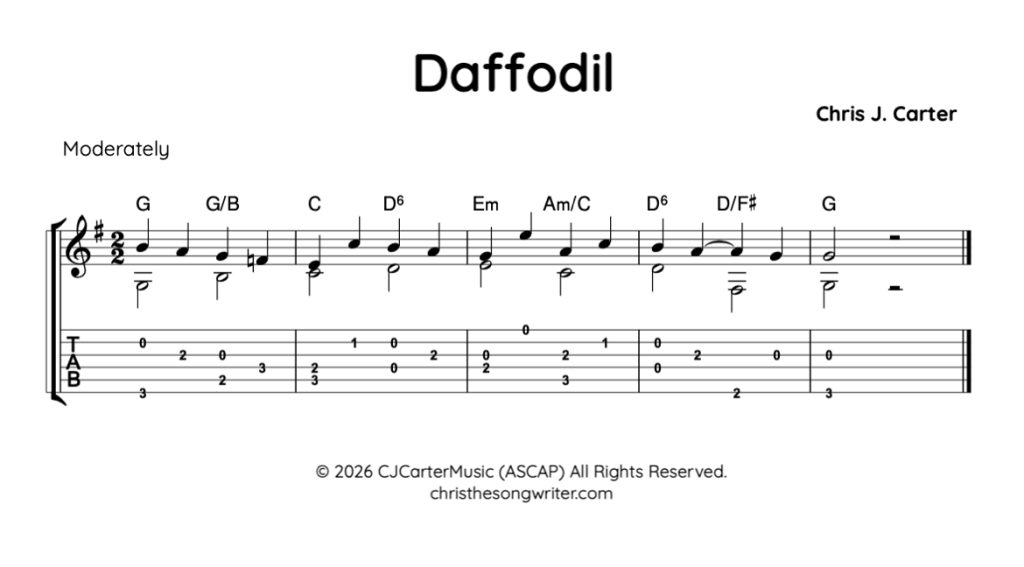
Dissonances used: Passing tones (measure 1) and anticipation (measure 4).
Visit christhesongwriter.com for fingerstyle guitar e-books.


Leave a comment